A White Pastor Raised in Postwar Kobe: Memories of Japan, America, and the Missionaries Who Helped Rebuild
2025.09.22 Japan Unboxed
🇺🇸A White Pastor Raised in Postwar Kobe Talks About Japan and America
【Series No.1】
Pastor Wayne is the pastor of the Manhattan Japanese American United Church. As a white American who grew up in Japan, he shares his memories of postwar Japan.
Q: Pastor Wayne, your Japanese is fluent. When did you first come to Japan, and what were your impressions?
A: I was born in Australia but was brought to Japan as an infant, a few years after the war. Japanese was my first language, though I learned English as well. My parents were among the first Christian missionaries to enter Japan after the war. They were very busy, so I spent much of my time with Japanese caretakers, whom we called “jōchu-san.”
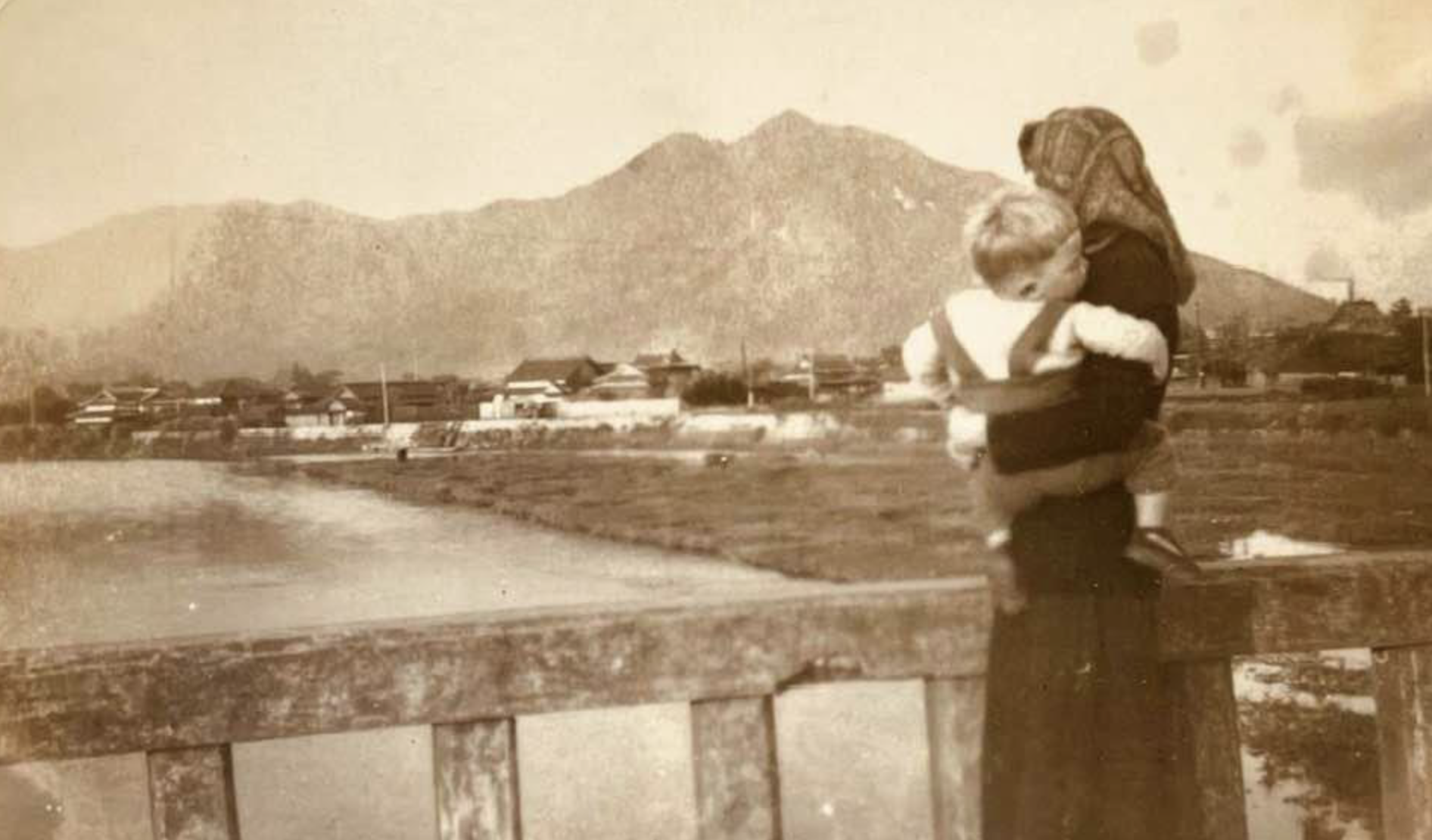
My earliest memories, at age two or three, are of walking in the countryside of Kyushu with one of them. She would carry me in the front basket of her bicycle when going shopping, or take me to the river to do laundry since there were no washing machines then. All our conversations were in Japanese. When my parents were away, she would put me to sleep on a futon spread on tatami mats.
Later, we moved to Kobe, where I spent most of my school years. Parts of Kobe still bore the scars of bombing. In the mountains, we sometimes found unexploded ordnance. It was a time without gas or proper kitchens—people cooked outdoors using wood or charcoal. Children played on dirt roads, and we knew it was dinnertime by the smell of fish and rice wafting through the air. We played games like menko and with toy “ramune balls.” To me, it was a wonderful childhood that can never return.
Q: Postwar Japan was a difficult time. What kind of support did missionaries provide?
A: In 1946, General MacArthur, recognizing that the Emperor’s Humanity Declaration had left the Japanese people without a spiritual anchor, announced a policy to welcome Christian missionaries. These missionaries came not seeking wealth but to share God’s message.
My parents were among them. My mother was only 21 when she arrived in Japan. Food was scarce, and though the GHQ imported supplies, they were not enough. My parents organized volunteers to gather and distribute food. I remember them climbing hills to find people hiding in caves and giving them food. One of my clearest memories is of my mother handing an apple to a starving woman in a cave—the woman received it with tears of gratitude.
Soon, my parents attempted to build a church in Beppu. They collected funds and clothing from the U.S., holding large flea markets where hundreds of people came. Two or three years later, my father entrusted the church to a Japanese pastor and moved on to Kobe for a new mission.
Such missionary and relief work was repeated by many Americans, bringing vitality to Japan’s churches and contributing to the nation’s recovery and renewal.
(Series No.2 coming next)
📍 Japanese American United Church
255 7th Ave, New York, NY 10001
infojauc@gmail.com
http://www.jauc.org
By Pastor Stanley Wayne
Edited by Tomoko Sugawara
The Japanese American United Church welcomes everyone. We are not affiliated with Jehovah’s Witnesses, the Unification Church, the Mormon Church, or any other cult group