【Japan🇯🇵Science】Autism Research Breakthrough: Japanese Scientists Use Zebrafish Model to Uncover Sensory Triggers
2025.10.01 Japan Unboxed
📌 Breaking Neuroscience Norms: Autism Research via Fish Model
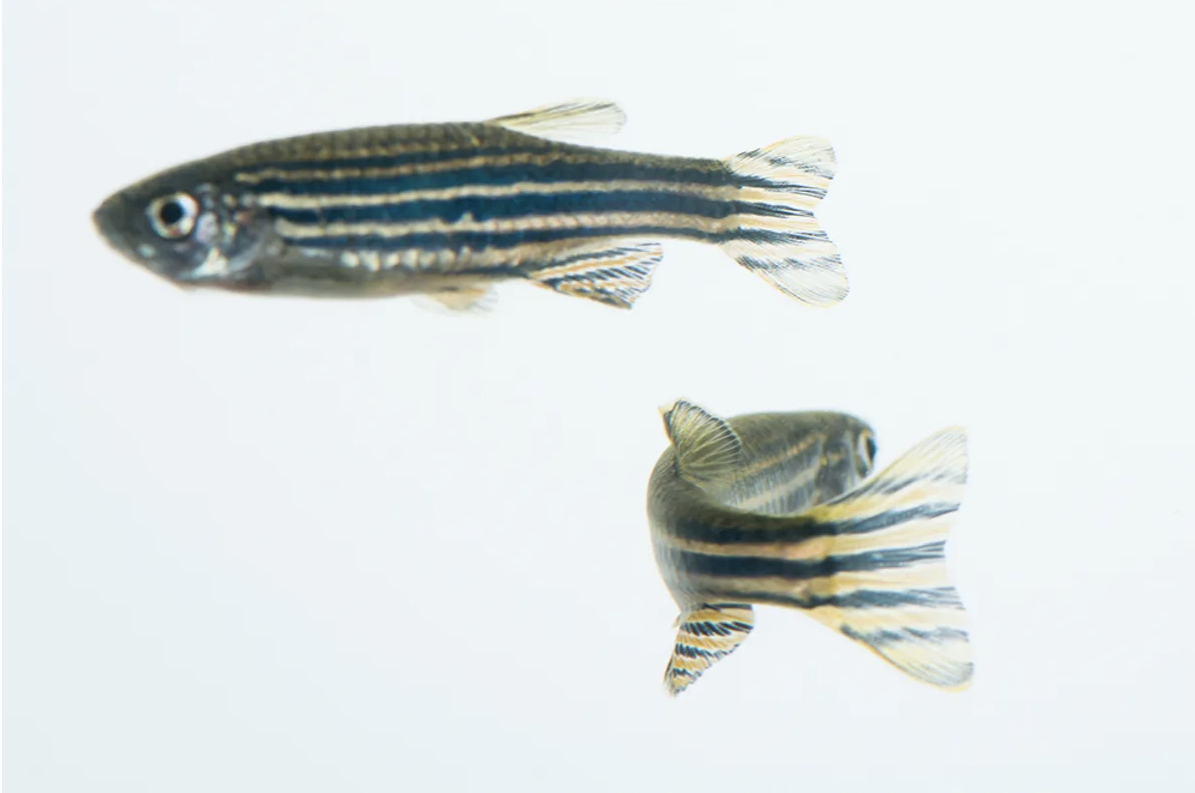
Recent research out of Japan challenges conventional views in neuroscience by using a small fish model—zebrafish with induced ASD traits—to reveal how environmental stimuli influence autism‐related behavior. This work may pave the way toward novel intervention strategies. (Forbes Japan)
🧬 Experiment & Key Findings
Researchers at Niigata University created zebrafish with a mutated UBE3A gene, known to be associated with ASD. When these fish were transferred from their usual acrylic tanks to unfamiliar styrofoam tanks, they showed reduced social contact and increased avoidance behavior compared to wild‐type fish.
By employing neural activity mapping and RNA sequencing, they linked visual stimuli from changed surroundings to increased expression of genes tied to anxiety. The mutated fish’s sensitivity to environmental shifts led to exaggerated anxiety responses.
🌱 Implications & Future Directions
The findings suggest that some ASD‐related social behavior differences may be modulated by sensory environment cues. Reverting the fish to their familiar tanks restored more typical social interactions, hinting at the power of environment‐based interventions.
Moving forward, the team aims to translate this approach into human research, exploring environmentally grounded intervention strategies that could complement existing therapeutic methods.
💬 ATOMOS JAPAN Premier Marriage Agency

For global elites ▶ FREE Consultation:
🛍️ Related Book Recommendations
-
【日本】発達障害の人に聞きました ~自閉スペクトラム症(ASD)の人に教わったこと
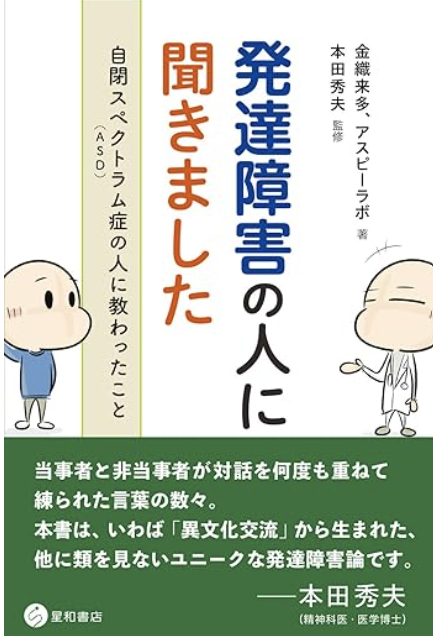
身近にいるASD当事者への接し方で悩んでいる人にも、ASDの人にも、おすすめの一冊。
▶ Amazon.co.jpで見る - 【US】
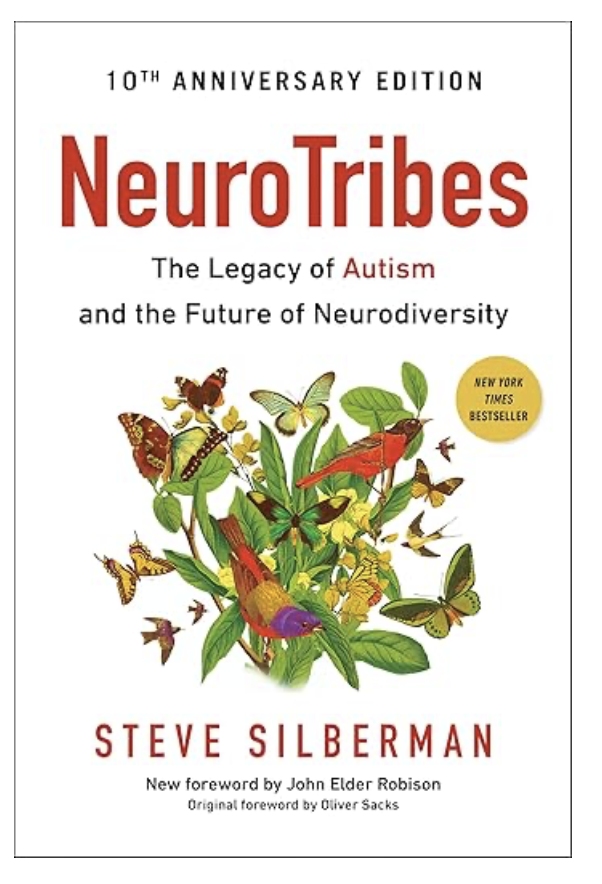
A collection of real neurological case studies revealing the strange, poignant ways brain disorders shape human perception and identity
▶ Amazon.comで見る
元記事リンク:
https://forbesjapan.com/articles/detail/81865
※本ページはアフィリエイト広告を利用しています。
This page contains affiliate links.